
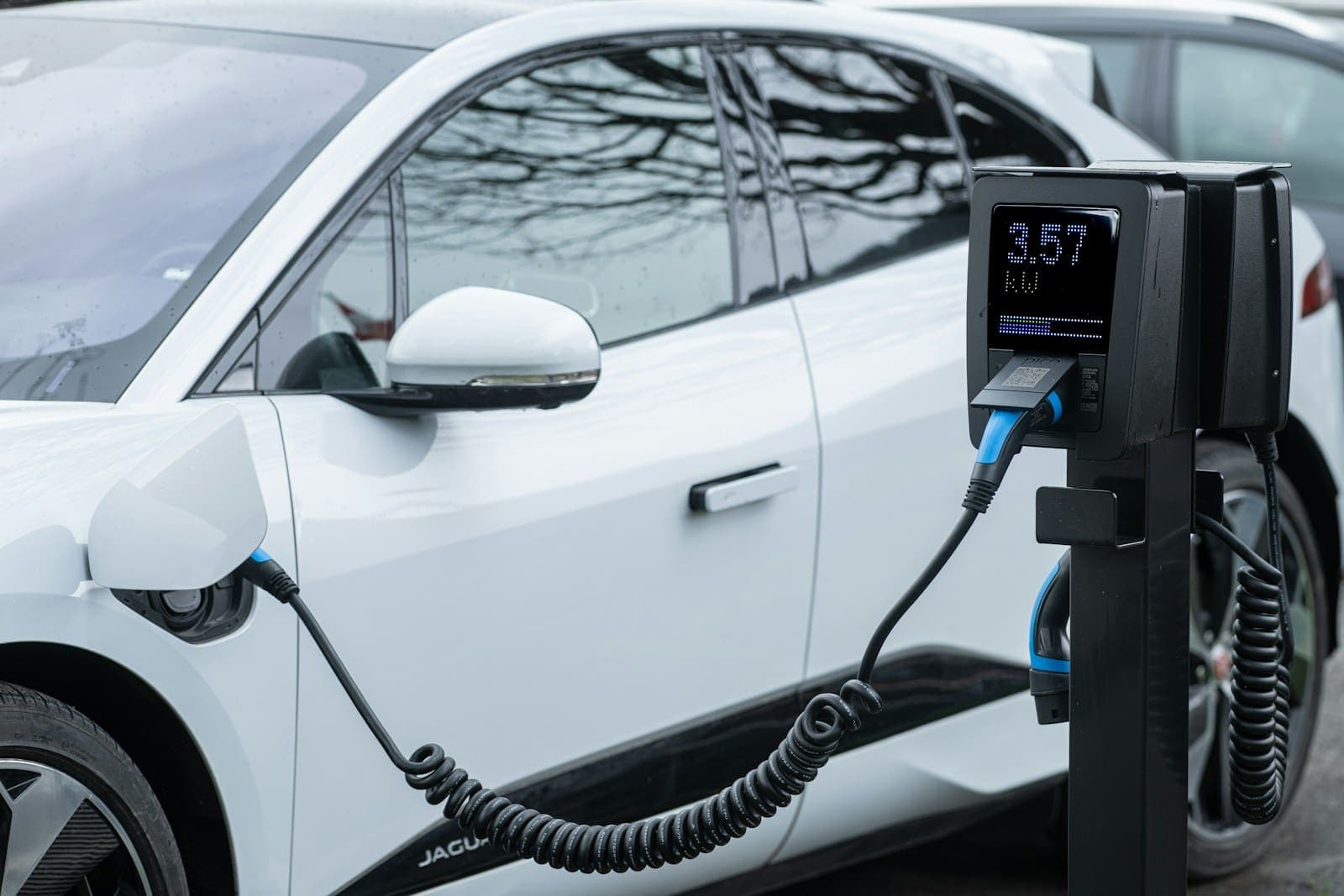
EV shipping with the battery in mind
An EV ships much like any other car, with a few important differences. They weigh more, use specific tie-down points and may need a transport mode switched on. A short conversation up front covers all of this.
A good fit for
- Battery electric cars
- Plug-in hybrids
- Newly purchased EVs
- Moves between states
Preparing your EV
- 1
Check the charge
Follow your manufacturer's guidance. A moderate state of charge is usually enough for loading and unloading.
- 2
Find transport mode
Check your owner's manual for how to prepare the car to be moved or winched.
- 3
Remove what's loose
Take out charging cables and accessories, and note anything that must stay with the car.
- 4
Share access details
Leave any key card or app access the driver will need, and explain how to use it.
Weight matters
EVs are often heavier than a similar gas car. That affects how a carrier balances its load, so accurate model details are useful.
After delivery
Check the vehicle against your condition report, then confirm the car charges and drives normally before you sign off.
Follow your manufacturer's advice. Enough charge to drive on and off the carrier is the practical minimum, and many owners avoid a full battery.
Often, but EVs may need specific procedures to roll or be winched. Select inoperable and include the model so that we can check.
Ready to book electric vehicle transport?
Share your route and vehicle. We'll take it from there.